Discover the cardiovascular and mental benefits of this accessible workout routine.
Rope skipping has quietly become one of the most effective full body workouts that anyone can perform in a very small amount of space. Unlike many fitness routines that require expensive equipment or a trip to a commercial gym, all a person needs is a properly sized cord and a flat surface where the rope can swing freely without obstruction. The cardiovascular benefits are remarkable, with many practitioners reporting improved heart health, faster recovery between intervals and measurably better endurance after just a few weeks of consistent practice. What makes this activity so accessible is that it scales naturally to whatever fitness level the participant brings. Beginners can start with slow, measured bounces and gradually increase their speed as coordination improves.
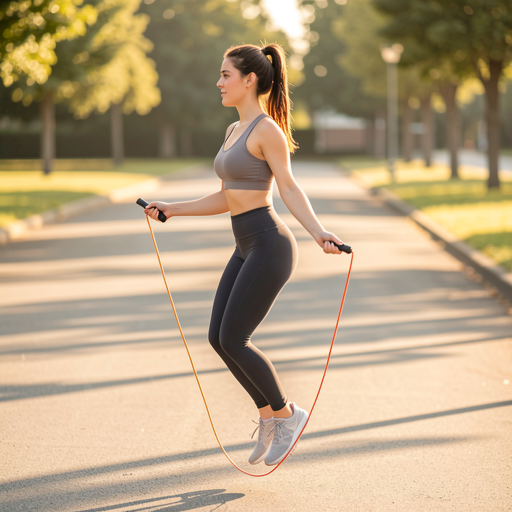
Those who already maintain a rigorous exercise routine will find that adding rope intervals pushes their aerobic capacity to new heights that stationary machines simply cannot replicate. Learning to jump rope efficiently demands patience during the first weeks, as the rhythm between wrist rotation and foot timing requires a degree of muscle memory that does not arrive overnight. Most newcomers discover that keeping their elbows close to the sides of their body and rotating the handle primarily from the wrists, rather than swinging from the shoulders, produces a much smoother arc through which the cord travels. The height of each bounce matters enormously as well.
🤸🏽♀️
A proper jump lifts the feet only one or two inches off the ground, conserving energy and dramatically reducing impact stress on knees and ankles. When practiced with this economical technique, sessions lasting twenty or thirty minutes feel manageable rather than punishing and the cumulative calorie burn over an entire week easily rivals the output of much longer running workouts. The mental discipline that develops alongside physical conditioning represents another substantial benefit of regular rope training. Maintaining focus while counting skips, switching between crossovers and alternate foot patterns or attempting double unders requires an engagement of attention that many find meditative in its intensity.
🌴
Distractions disappear because a momentary lapse in concentration means the cord catches the ankles and breaks the rhythm. This forced mindfulness translates beyond the workout itself, sharpening concentration at work, improving patience during difficult conversations and simply contributing to an overall sense of mental clarity that many people struggle to find through solitary activities like jogging or weight lifting. The repetitive nature of the movement creates a steady mental tempo that calms the nervous system while keeping the body firmly in motion. Progress tracking provides motivation that keeps people returning to their routine week after week.
📏
A simple notebook or phone application records daily skip counts, interval times and the most challenging combinations attempted during each session. Watching numbers climb over the course of a month reinforces the sense that physical improvements are real and measurable rather than imagined. New patterns such as high knees, double unders or side swing variations introduce fresh challenges that prevent the activity from feeling stale, ensuring that the workout continues to stimulate both body and mind. The beauty of the rope lies in its infinite variation potential, which means a person can practice it for decades and still discover techniques that surprise and delight them on a regular basis.